
The psychological influence of casino layout
The layout of a casino plays a crucial role in shaping player behavior. Strategically designed spaces create an engaging environment that encourages extended play. Casinos often utilize a maze-like design, where players find themselves drawn from one area to another, ultimately leading them to experiences that might keep them gambling longer than initially intended. For instance, many players are attracted to promotions like those offered by 1win , which enhance the overall excitement and keep them engaged with various games that prolong their visits. The psychological effect of such layouts cannot be understated; they often make it difficult for players to gauge time, reinforcing an immersive experience that can lead to increased gambling duration.
Moreover, the placement of gaming machines and tables is typically optimized to create sightlines that attract players. This arrangement often incorporates elements such as bright lights and vibrant colors, which heighten excitement and stimulate the senses. By designing areas that invite players to stay longer, operators can significantly increase the likelihood of repeat visits and larger expenditures. Such tactics reveal a keen understanding of behavioral psychology that casinos leverage to maximize profits, as the more time players spend in these spaces, the more likely they are to engage in various forms of gaming.
Additionally, the way pathways are formed within a casino can dictate player flow. Entrances are often designed to be wide and inviting, while the main gaming area may feature winding pathways that lead to less frequented spaces. This can create a sense of discovery and anticipation, prompting players to explore more and engage with various games. This exploration not only boosts interaction among patrons but also fosters a sense of community and social play, which further enhances the gaming experience, leading to an increase in both social bonds and spending behaviors among players.
Aesthetic elements and their effects
The aesthetic design elements of a casino, including lighting, color schemes, and decor, can significantly influence player emotions and decision-making. Warm, vibrant colors can evoke feelings of excitement and energy, while softer tones may promote relaxation. The integration of visual elements such as artwork and themed decorations contributes to the overall atmosphere, creating a unique identity that can appeal to specific demographics. Different aesthetics can attract different types of players, thus guiding customer segmentation and marketing strategies that casinos use to optimize their offerings.
Lighting is particularly important in casino design, serving both functional and psychological purposes. Bright lights often surround gaming areas to draw attention, while more subdued lighting can create intimate spaces conducive to social interaction. This blend of environments allows casinos to cater to various preferences, ensuring that players remain engaged regardless of their mood or style of play. Additionally, as players associate their emotional state with the environment, these design choices can influence their level of spending, with brighter settings often leading to higher bet amounts due to heightened excitement.
The role of sound within a casino cannot be overlooked either. Auditory stimuli, such as the sounds of coins clinking or celebratory music, can enhance the player experience and encourage continued gambling. By designing spaces where sound and aesthetics harmonize, casinos can create an immersive atmosphere that keeps players engaged. Therefore, the careful consideration of both visual and auditory elements can leave a lasting impression on player behavior and choices, fostering an environment where players feel energized and more inclined to participate in games for extended periods.
The impact of social spaces
In addition to gaming areas, social spaces in casinos are fundamental in shaping player behavior. Lounges, bars, and restaurants create opportunities for players to socialize, relax, and take breaks from gambling. These social environments can enhance the overall experience by providing players with a chance to interact, share stories, and enjoy their time together. The design of these spaces is crucial in fostering a sense of community, which can lead to increased loyalty among patrons who feel a connection to the venue and one another.
Moreover, these social areas typically feature design elements that encourage lingering. Comfortable seating, engaging music, and enticing food and drink options can create a welcoming atmosphere that entices players to stay longer, even when they are not actively gambling. This can lead to increased spending both on games and within these social spaces, contributing to overall revenue for the casino. The ability to create spaces that feel inviting and enjoyable encourages patrons to view the casino as more than just a place to gamble, but rather as a social hub.
Creating exclusive or VIP areas is another tactic that many casinos employ to enhance the social experience. These areas often feature luxurious designs, private gaming options, and personalized service, catering specifically to high rollers. By doing so, casinos not only enhance the experience for these players but also create an aspirational environment that can motivate others to reach for higher stakes in hopes of accessing such exclusive spaces. This element of status can greatly influence player behavior, leading to higher spending and engagement, as patrons seek to elevate their own experiences within the casino environment.
Technology’s role in modern casino design
In the contemporary landscape of gaming, technology has transformed the way casinos design their spaces to influence player behavior. The integration of digital screens and interactive displays is becoming increasingly common, providing real-time information and entertainment. This technological advancement creates an engaging environment, encouraging players to participate in games and promotions that they might have otherwise overlooked. By utilizing technology, casinos can keep players informed and involved, leading to more frequent play and greater overall satisfaction.
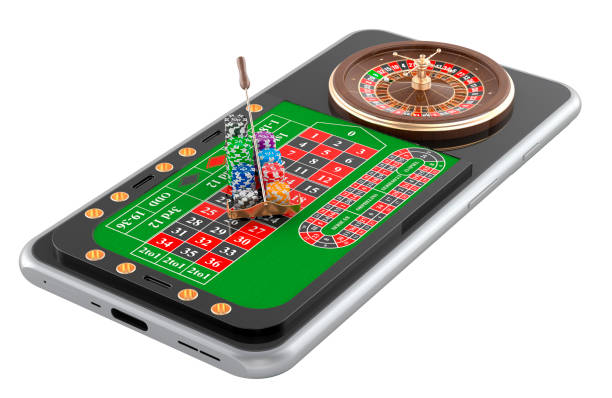
Additionally, advancements in mobile technology enable casinos to connect with players in real-time through apps and digital marketing. These platforms can provide personalized offers, notifications, and updates while players are on-site, thus enticing them to engage further. As casinos embrace this information and communication technology, they can design experiences that resonate more deeply with their audience, significantly affecting player behavior. The ability to engage players directly through their devices makes the casino experience more dynamic and tailored to individual preferences.
Furthermore, virtual reality (VR) and augmented reality (AR) are emerging trends that are likely to reshape casino design in the coming years. These technologies can create immersive experiences that combine the excitement of traditional gaming with interactive elements that engage players in new ways. By offering unique experiences that blend physical and digital environments, casinos can attract a younger demographic while keeping existing players entertained and invested. The innovative use of technology in design will undoubtedly impact future player behavior and engagement strategies, making the gaming experience more captivating and memorable.
Exploring player engagement through website design
A casino’s website is often the first point of contact for potential players, making it essential in shaping perceptions and behaviors. An engaging, well-designed website can enhance the user experience and effectively communicate promotions, events, and services. Features such as user-friendly navigation, appealing visuals, and interactive elements can create a sense of excitement that aligns with the atmosphere found on the casino floor. This online presence plays a crucial role in attracting players and prompting them to visit in person, serving as a digital gateway to the gaming experience.
Moreover, websites can serve as a valuable tool for building community among players. Features such as forums, blogs, or social media integration allow patrons to connect, share experiences, and provide feedback. By fostering an engaging online community, casinos can enhance player loyalty and engagement, ensuring that customers are not just one-time visitors but rather long-term patrons. This sense of belonging can significantly influence player behavior and spending patterns, cultivating a deeper emotional connection to the casino brand.
Finally, a casino’s website can be tailored to reflect the unique design elements of its physical space, creating a cohesive brand experience. Consistency in design between online and offline spaces ensures that players feel a continuous connection with the casino, reinforcing their emotional attachment. As an integral aspect of modern casino marketing, a well-crafted online presence can have a profound impact on player behavior, driving both engagement and revenue in a highly competitive industry. By clearly presenting the casino’s offerings and atmosphere online, players are more likely to engage both digitally and physically.